
What should be in a home first aid kit?
A well-stocked first aid kit means you're ready for cuts, burns, fevers and bites. Here's a simple checklist of what to keep at home, plus a few first aid basics.
By Fast Meds team, 18 October 2026, 2 min read
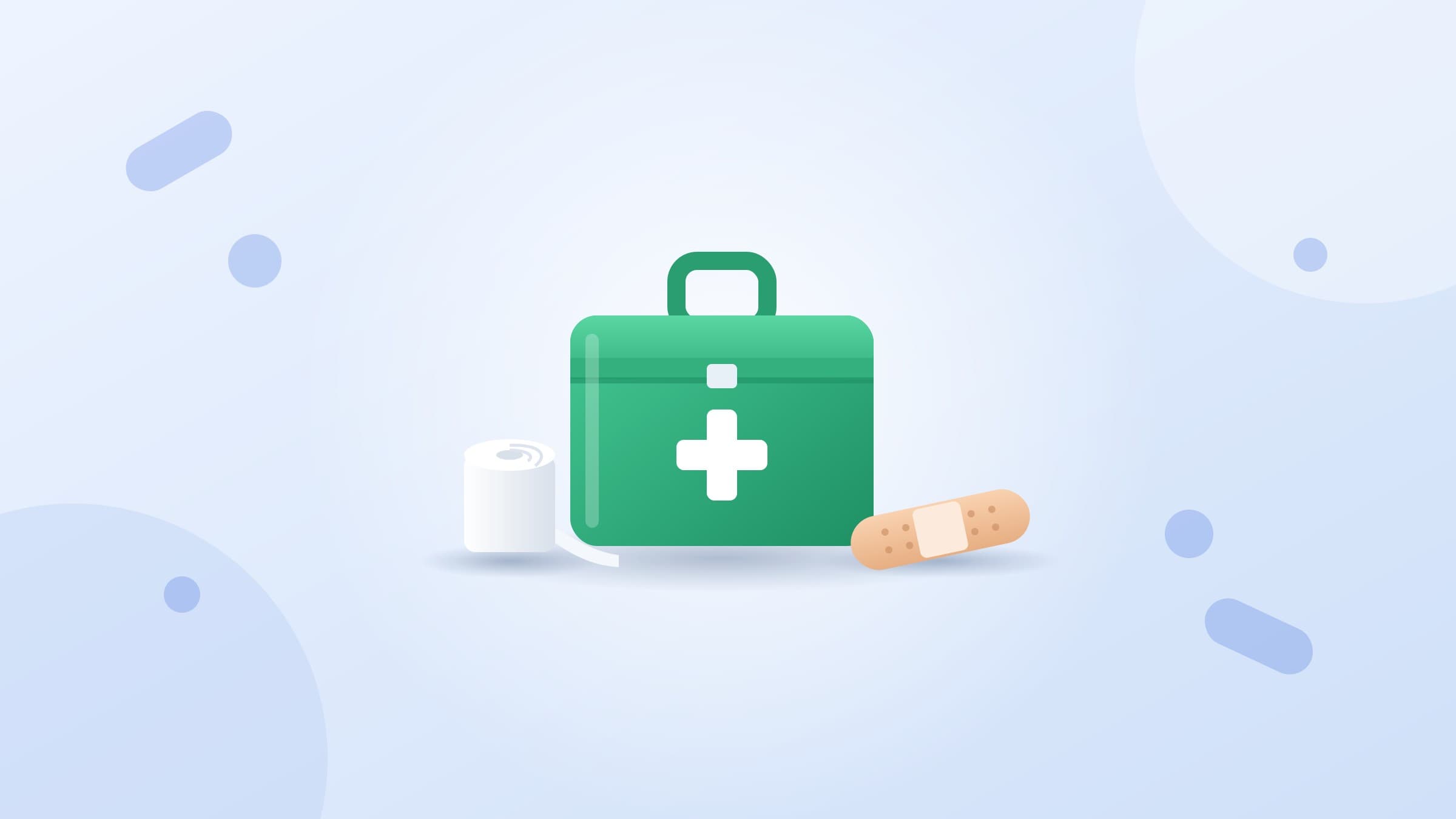
Minor accidents and illnesses always seem to happen at the worst moment. Keeping a well-stocked first aid kit at home means you can deal with most everyday injuries quickly, without a late-night dash to the shops.
First aid essentials
- plasters in a range of sizes and shapes
- small, medium and large sterile gauze dressings
- at least 2 sterile eye dressings
- triangular bandages and crepe rolled bandages
- safety pins
- disposable sterile gloves
- tweezers and sharp scissors
- alcohol-free cleansing wipes
- sticky tape
- a digital thermometer
- antiseptic cream
- a cream or spray to relieve insect bites and stings
- a skin rash cream, such as hydrocortisone or calendula
- distilled water for cleaning wounds, and an eye wash and eye bath
Medicine cabinet basics
- painkillers such as paracetamol and ibuprofen
- an antihistamine for allergies, hay fever and bites
- oral rehydration salts for diarrhoea and vomiting
- indigestion treatment, such as antacids
- sunscreen of at least SPF 30
If you have children, keep children's versions of paracetamol and ibuprofen too, and never give aspirin to anyone under 16.
Keep your kit somewhere cool, dry and out of reach of children, ideally in a box with a lock. Check it every few months, and replace anything that's been used or is out of date.
First aid basics
Cuts and grazes
Wash your hands, clean the wound under running tap water, and pat it dry. Apply pressure with a clean dressing if it's bleeding, then cover it with a plaster or dressing. Get medical help if the bleeding won't stop, the cut is deep or gaping, or there's something stuck in it.
Burns and scalds
Cool the burn under cool or lukewarm running water for 20 minutes as soon as possible. Don't use ice, iced water or creams. Remove any clothing or jewellery near the burn unless it's stuck to the skin, then cover it loosely with cling film or a clean plastic bag. Go to A&E for large or deep burns, burns on the face, hands or genitals, chemical or electrical burns, and any burn on a baby or young child.
Fever
A temperature of 38°C or above is a fever. Make sure the person drinks plenty of fluids and gets rest, and use paracetamol or ibuprofen if they're uncomfortable. For babies under 3 months with a temperature of 38°C or above, contact a GP or NHS 111 straight away.
When to call 999
Call 999 if someone has stopped breathing, has severe bleeding that won't stop, has a severe allergic reaction, is unconscious, has chest pain, or has signs of a stroke such as a drooping face, weak arm or slurred speech.
A first aid course is one of the most useful things you can do. The British Red Cross and St John Ambulance both run courses and offer free advice online.
The short answer
A good home kit covers dressings, plasters, a thermometer, antiseptic, and a few basic medicines like painkillers and antihistamines. Keep it somewhere safe, check it regularly, and know when to call for help.
Products in this article
Related articles

Sleep and wellbeing, 18 October 2026, 3 min read
How to fall asleep faster: 10 tips that actually work
Struggling to drop off? Small changes to your routine and bedroom can make a big difference. Here are 10 practical tips for better sleep, and when it's time to see a GP.
Read the article
Colds and flu, 18 October 2026, 3 min read
Cold or flu? How to tell the difference and what helps
Colds and flu share many symptoms, but flu comes on faster and hits harder. Here's how to tell them apart, how to ease your symptoms at home, and when to get help.
Read the article
Using medicines safely, 18 October 2026, 2 min read
How long does medicine last once it's opened?
Expiry dates don't always tell the whole story. Once opened, some medicines need using within weeks. Here's how to check, how to store medicines properly, and how to get rid of old ones safely.
Read the article