Cold or flu? How to tell the difference and what helps
Colds and flu share many symptoms, but flu comes on faster and hits harder. Here's how to tell them apart, how to ease your symptoms at home, and when to get help.
By Fast Meds team, 18 October 2026, 3 min read
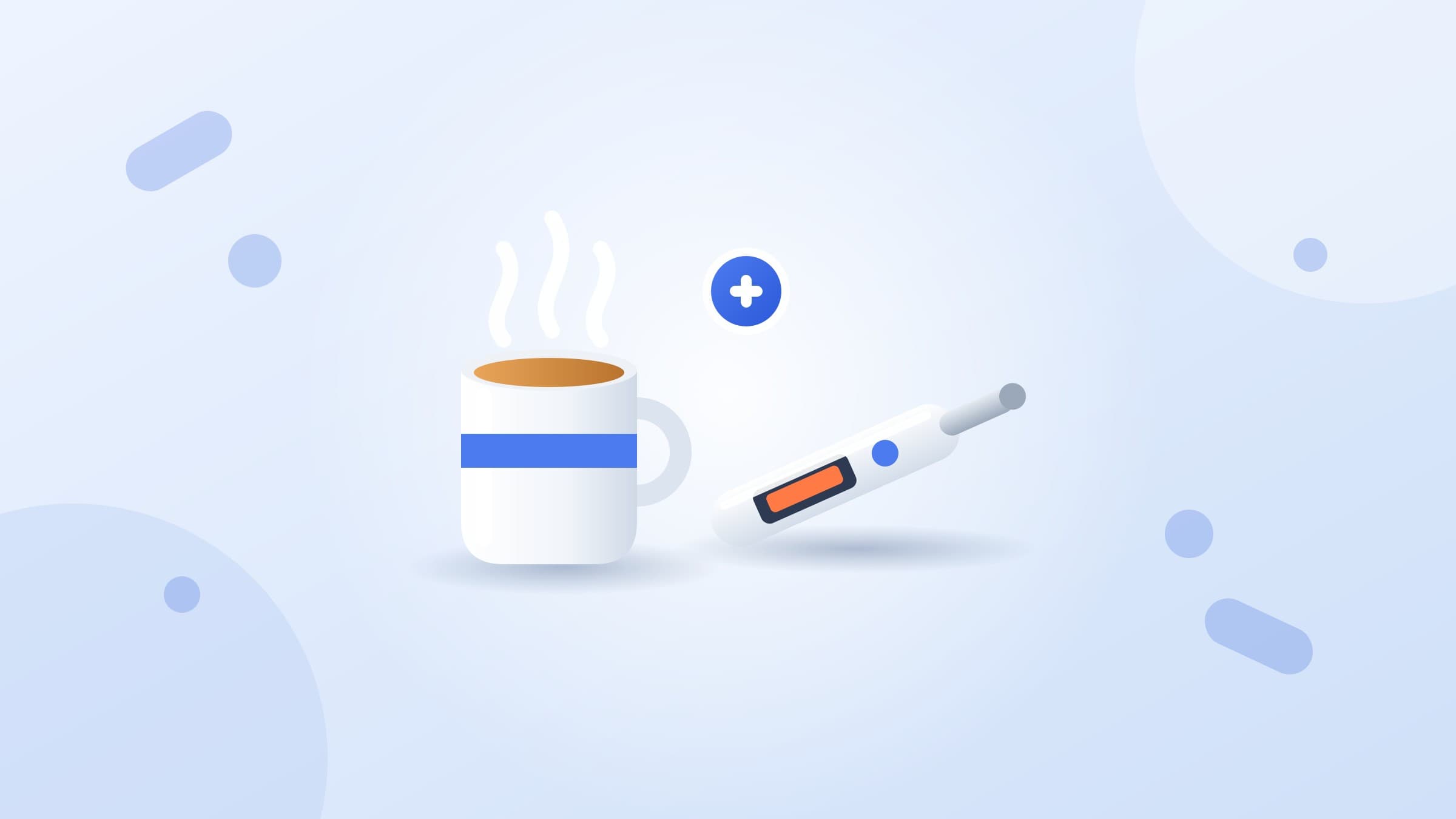
Colds and flu are both caused by viruses and share a lot of the same symptoms, so it's not always easy to tell which one you've got. The good news is that most people get better on their own, and there's plenty you can do at home to feel better in the meantime.
The quick way to tell them apart
The biggest clue is how fast it starts and how bad it feels.
- A cold comes on gradually over a day or two. It mainly affects your nose and throat: a blocked or runny nose, sneezing and a sore throat. You feel under the weather but can usually carry on with your day.
- Flu comes on quickly, often within a few hours. It affects your whole body: a sudden high temperature, aching muscles, tiredness and feeling too unwell to do your normal activities.
Common cold symptoms
- blocked or runny nose
- sore throat
- sneezing and a cough
- a mild headache or slightly raised temperature
Common flu symptoms
- a sudden high temperature of 38°C or above
- aching body and exhaustion
- a dry cough and sore throat
- headache, loss of appetite and difficulty sleeping
A cold usually clears up within a week or two. Flu tends to make you feel better within a week, although tiredness can linger for longer.
How to feel better at home
Antibiotics don't work on colds or flu because they're caused by viruses. Instead, the aim is to ease your symptoms while your body fights the infection:
- Rest and sleep as much as you can.
- Drink plenty of fluids to avoid dehydration. Warm drinks can be soothing.
- Keep warm, but don't let yourself overheat if you have a temperature.
- Ease aches and fever with paracetamol or ibuprofen.
- Soothe a sore throat with throat lozenges or by gargling with warm salty water (not suitable for children).
- Clear a blocked nose with a saline nasal spray, which is drug-free and suitable for most people.
Check the label: many cold and flu remedies already contain paracetamol. Don't take them alongside separate paracetamol tablets, or you could take too much without realising.
Stop it spreading
Colds and flu spread easily, especially in the first few days. Wash your hands often with warm water and soap, catch coughs and sneezes in a tissue and bin it straight away, and try to stay at home and avoid contact with other people if you have a high temperature or don't feel well enough to do your normal activities.
If you're eligible, the yearly flu vaccine is the best way to protect yourself from flu. Ask your GP surgery or a pharmacy.
When to get help
Speak to a pharmacist for advice on treating your symptoms. Contact your GP or NHS 111 if:
- your symptoms haven't improved after 7 days, or are getting worse
- you're worried about a baby's or child's symptoms
- you're 65 or over, pregnant, or have a long-term condition such as diabetes or a heart, lung or kidney condition
- you have a weakened immune system
Call 999 or go to A&E if you suddenly have chest pain, difficulty breathing, or start coughing up a lot of blood.
The short answer
If it came on slowly and mostly affects your nose and throat, it's probably a cold. If it hit you suddenly with a high temperature and aches, it's more likely flu. Either way, rest, fluids and simple pharmacy remedies help most people recover at home.
Products in this article
Related articles
Sleep and wellbeing, 18 October 2026, 3 min read
How to fall asleep faster: 10 tips that actually work
Struggling to drop off? Small changes to your routine and bedroom can make a big difference. Here are 10 practical tips for better sleep, and when it's time to see a GP.
Read the article
First aid, 18 October 2026, 2 min read
What should be in a home first aid kit?
A well-stocked first aid kit means you're ready for cuts, burns, fevers and bites. Here's a simple checklist of what to keep at home, plus a few first aid basics.
Read the article
Using medicines safely, 18 October 2026, 2 min read
How long does medicine last once it's opened?
Expiry dates don't always tell the whole story. Once opened, some medicines need using within weeks. Here's how to check, how to store medicines properly, and how to get rid of old ones safely.
Read the article