
How to fall asleep faster: 10 tips that actually work
Struggling to drop off? Small changes to your routine and bedroom can make a big difference. Here are 10 practical tips for better sleep, and when it's time to see a GP.
By Fast Meds team, 18 October 2026, 3 min read
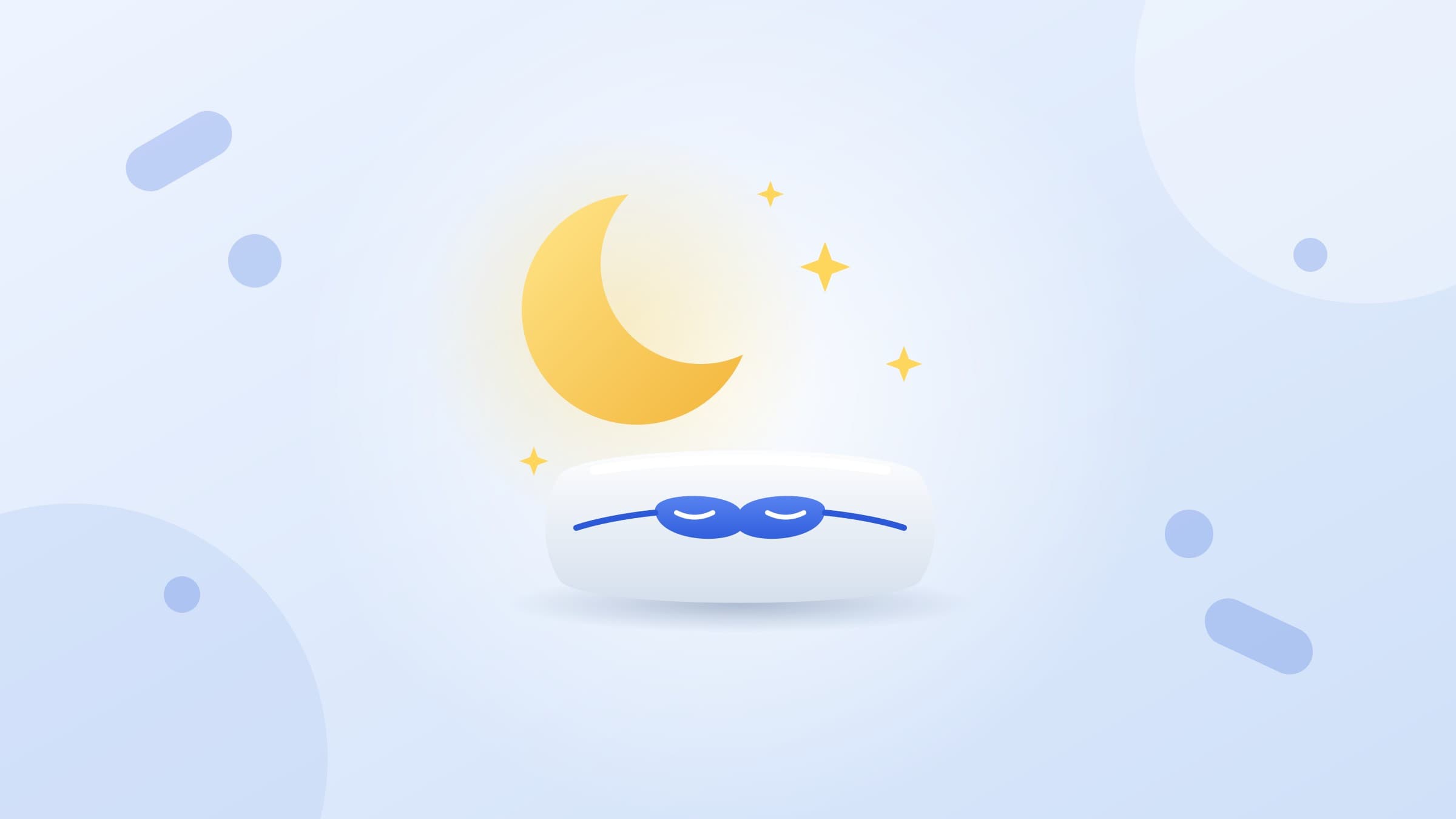
Most adults need between 7 and 9 hours of sleep a night, but almost everyone has times when sleep is hard to come by. The good news is that small changes to your daily routine and bedroom often make a real difference, without needing any medicine.
10 tips for better sleep
- Go to bed and wake up at the same time every day, even at weekends. A regular routine helps set your body clock.
- Wind down before bed. Give yourself 30 to 60 minutes to relax with a warm bath, reading or calming music.
- Make your bedroom sleep-friendly. Keep it dark, quiet and slightly cool. Blackout curtains, an eye mask or earplugs can help.
- Put screens away. Avoid phones, tablets and laptops for an hour before bed, as the light and content can keep your brain alert.
- Cut down on caffeine in the afternoon and evening. Coffee, tea, cola and energy drinks can affect sleep for hours.
- Go easy on alcohol. It might help you drop off, but it disturbs your sleep later in the night.
- Avoid big meals late at night. A heavy meal close to bedtime can keep you awake.
- Move more during the day. Regular exercise improves sleep, but try not to do vigorous exercise close to bedtime.
- Keep naps short, or avoid them, especially later in the day.
- Don't lie there worrying. If you can't sleep after about 20 minutes, get up, do something relaxing in dim light, and go back to bed when you feel sleepy.
Try writing a to-do list or your worries down before bed. Getting them out of your head and onto paper can make it easier to switch off.
Managing stress
Stress is one of the most common reasons for poor sleep. Breathing exercises, mindfulness and gentle stretching can all help calm your mind. Talking to friends, family or a professional about what's on your mind can help too. The NHS Every Mind Matters website has free tips and a personalised plan for managing stress and sleep.
Keep a sleep diary
If you're not sure what's affecting your sleep, keep a diary for a couple of weeks. Note when you go to bed and wake up, how well you slept, and things like caffeine, alcohol, exercise and stress. It can help you spot patterns, and it's useful to show a GP.
When to see a GP
Insomnia often gets better with changes to your sleep habits. See a GP if:
- changing your sleep habits hasn't helped
- you've had trouble sleeping for months
- poor sleep is affecting your daily life, work or mood
- you snore loudly, gasp or stop breathing during sleep, or feel very sleepy during the day
A GP can look for any underlying cause and may suggest cognitive behavioural therapy for insomnia (CBT-I), which is the recommended treatment for long-term sleep problems. Speak to a pharmacist or GP before trying any sleep remedy, as some aren't suitable with other medicines or health conditions.
If you're feeling low or anxious and it's affecting your sleep, you don't have to deal with it alone. You can talk to your GP, refer yourself to NHS talking therapies, or call Samaritans free on 116 123 at any time.
The short answer
A regular routine, a calm, dark bedroom, less caffeine and screen time, and time to wind down are the most effective ways to fall asleep faster. If sleep problems last for months or affect your daily life, speak to a GP.
Related articles
First aid, 18 October 2026, 2 min read
What should be in a home first aid kit?
A well-stocked first aid kit means you're ready for cuts, burns, fevers and bites. Here's a simple checklist of what to keep at home, plus a few first aid basics.
Read the article
Colds and flu, 18 October 2026, 3 min read
Cold or flu? How to tell the difference and what helps
Colds and flu share many symptoms, but flu comes on faster and hits harder. Here's how to tell them apart, how to ease your symptoms at home, and when to get help.
Read the article
Using medicines safely, 18 October 2026, 2 min read
How long does medicine last once it's opened?
Expiry dates don't always tell the whole story. Once opened, some medicines need using within weeks. Here's how to check, how to store medicines properly, and how to get rid of old ones safely.
Read the article